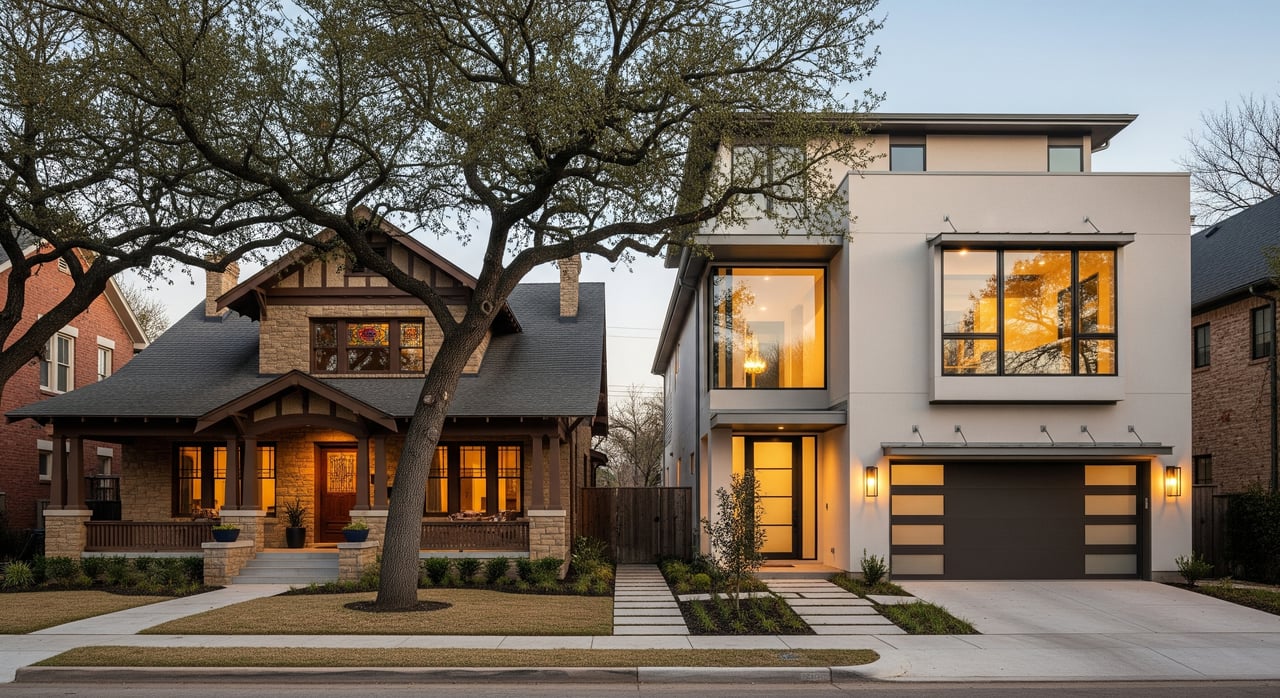
Lakewood Dallas Historic vs New Homes: Weighing the Real Costs
January 15, 2026
January 15, 2026
Torn between a charming Lakewood Tudor and a newer build near White Rock Lake? You are not alone. Each path comes with different costs, timelines and lifestyle trade-offs, and it can be hard to compare them fairly. In this guide, you will see what drives total cost of ownership, where surprises usually show up, and how to make a clear, apples-to-apples decision for a Lakewood home that truly fits you. Let’s dive in.
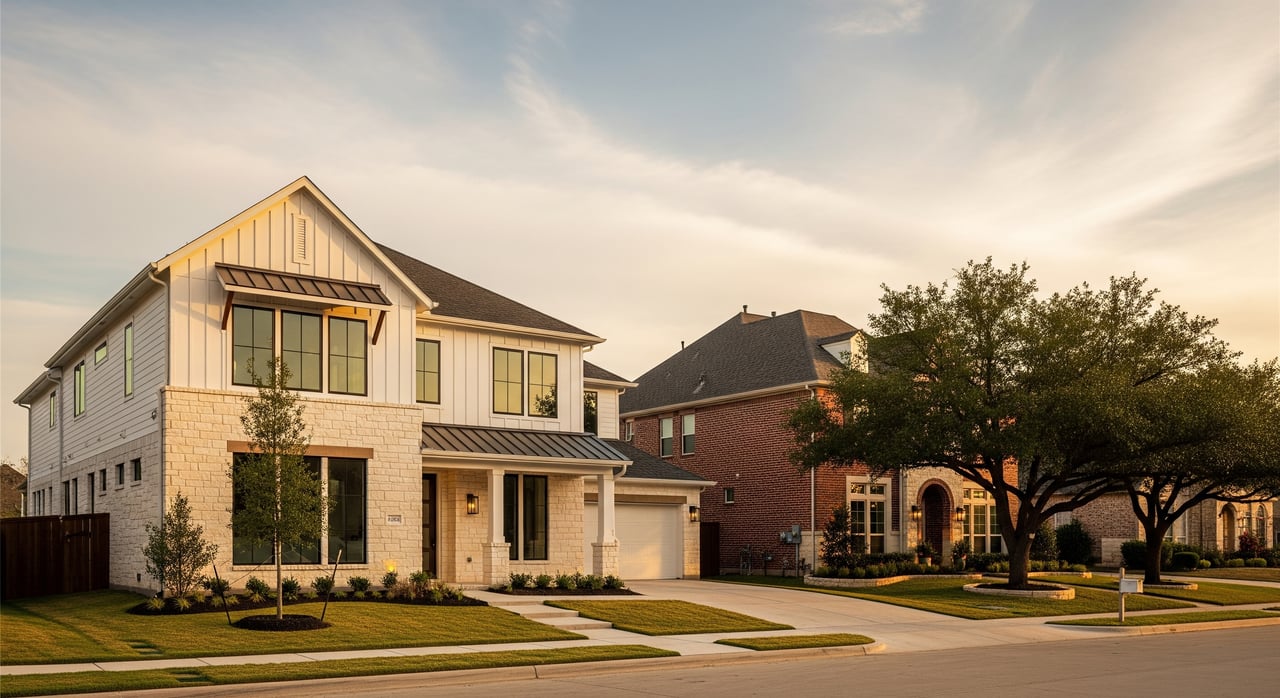
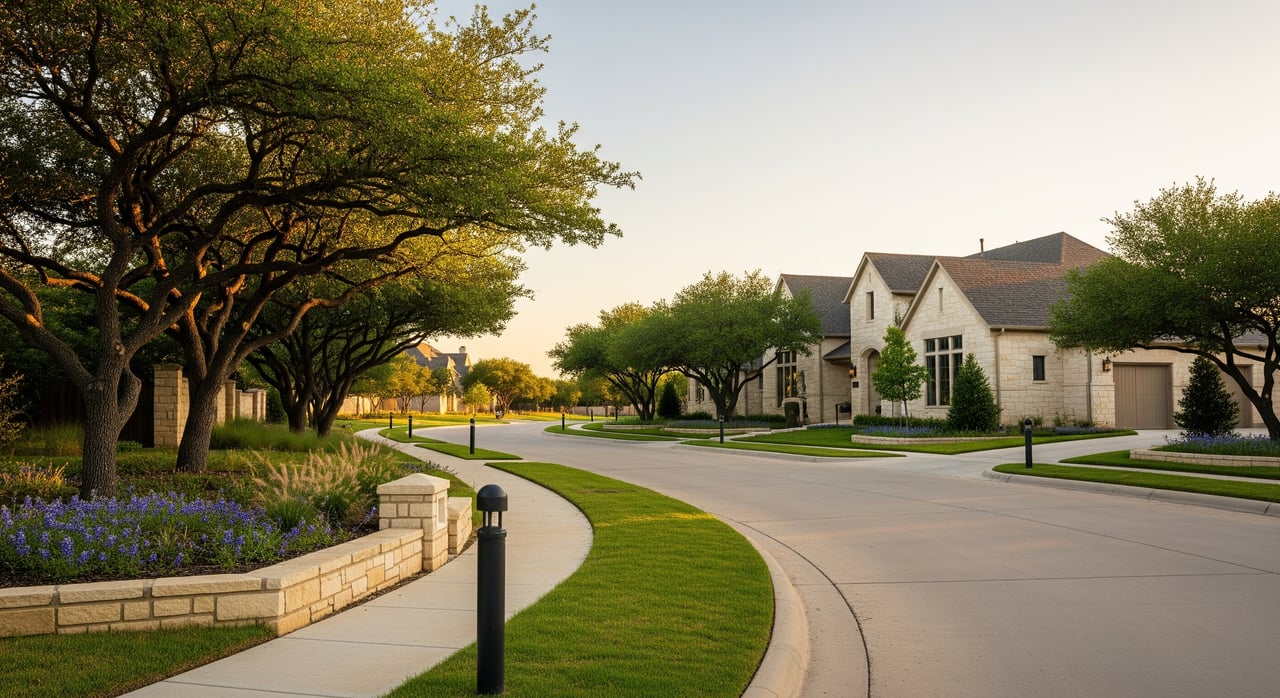
Lakewood is an established East Dallas neighborhood known for mature trees, character homes and quick access to parks and central Dallas. You will find classic Tudors, Colonial Revival and Craftsman homes from the 1920s to 1940s alongside newer infill and full replacements. Older parcels often sit on larger lots with mature landscaping, while some newer homes maximize lot coverage and deliver open plans and attached garages.
Both vintage homes and newer construction are desirable here, but for different reasons. Buyers often weigh original details and neighborhood character against modernization needs, energy use and ongoing maintenance. Your best choice comes from comparing total cost and lifestyle needs on the same block and lot size whenever possible.
Historic charm can command a premium in Lakewood, and turnkey newer construction can as well. To compare fairly, look at similar lots, bedroom and bathroom counts, and proximity to parks or schools. Work from current local MLS data to see how restored Tudors and newer builds sell in the same micro-areas.
Older Tudors often need upfront work on systems and structure. Common items include foundation repairs, roof work, electrical upgrades, plumbing replacement, HVAC updates, window repair or replacement, and kitchen or bath updates. Historic-sensitive work can cost more due to custom materials and specialty trades, and some projects repay over time through lower energy bills or stronger buyer appeal.
Plan for routine maintenance each year. A common rule of thumb is 1% to 3% of the home’s value per year for upkeep, with older homes often at the higher end if there is deferred maintenance. This covers things like small repairs, paint, tune-ups and minor replacements before they become bigger issues.
Older homes typically have weaker thermal envelopes, original windows and older HVAC, which can raise energy use. The U.S. Department of Energy notes that sealing air leaks, adding attic insulation and upgrading HVAC are among the highest impact steps to cut energy bills. Newer construction usually meets current codes, has better insulation and modern systems, and often runs more efficiently month to month.
Insurance carriers price policies based on risk and replacement cost. Older wiring, plumbing and roofs can affect premiums, as can unique finishes that are costly to replace. Get quotes on representative properties before you decide, so you can factor insurance into your total monthly cost.
Dallas County Appraisal District assesses property taxes based on appraised value. New construction or substantial renovations can change assessed value and timing, so review the rules and recent assessments. If a property has a local historic designation, confirm any related processes, guidance or incentives with the City of Dallas.
Dallas area soils make foundation movement a common concern, so structural inspection is key. For older homes, have a professional check the roof, electrical system type and capacity, plumbing materials, HVAC age and ductwork, moisture issues and termite activity. Pre-1978 homes can include lead-based paint, which requires careful handling under EPA guidance, and some older materials may contain asbestos.
If a property sits in a City of Dallas historic district or has individual landmark status, exterior changes, additions or demolitions may need city review and approval. Factor these timelines into your plans. Significant remodels require permits, and historic or custom restoration often needs specialized trades, which can extend schedules.
Historic Tudor cost drivers often include custom millwork, plaster repair, specialty windows, masonry and chimney work, and steep or complex rooflines. Older homes can also reveal hidden issues once walls open, so build a contingency.
You can roll upgrades into financing with products like FHA 203(k) or Fannie Mae HomeStyle Renovation. Some buyers consider energy-efficient mortgage options, construction-to-perm loans for major additions or new builds, or home equity lines once they have equity. Speak with lenders early to match loan type to the scope you expect.
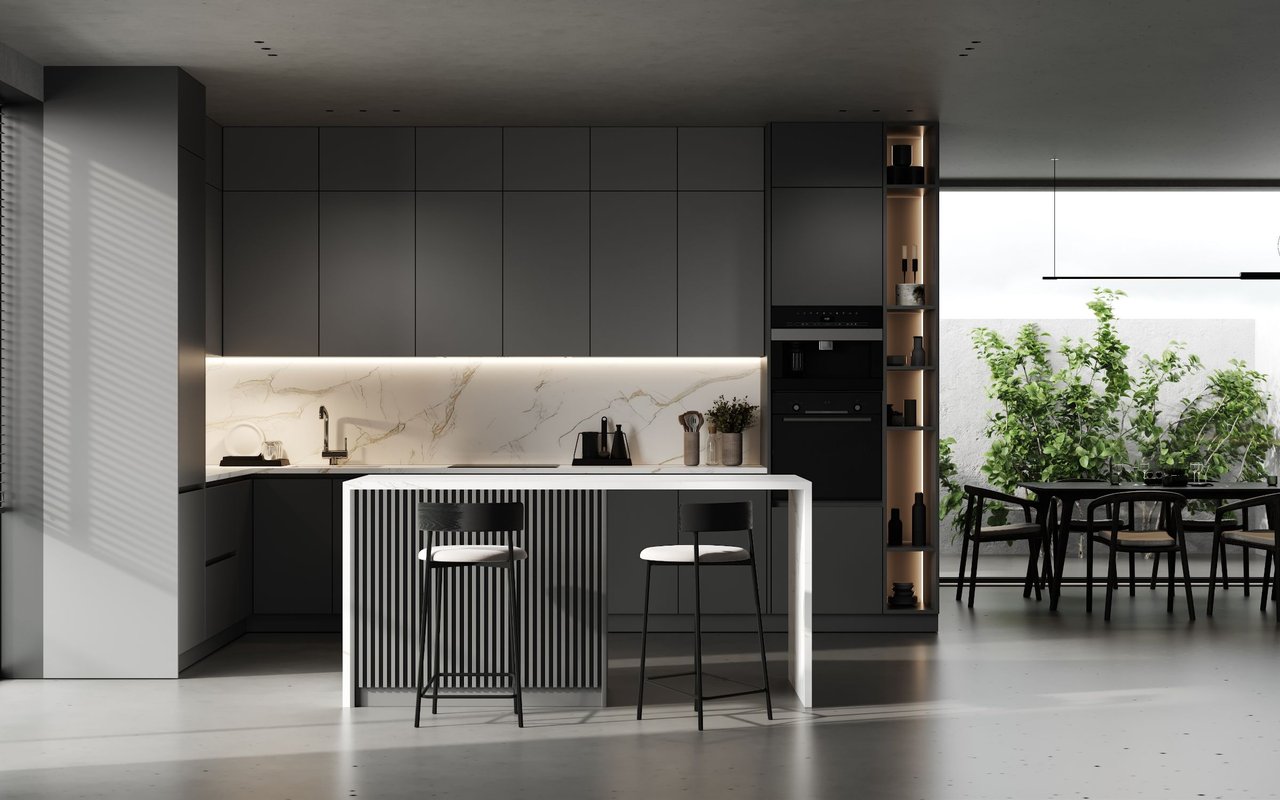
Older homes offer original character, mature lots and neighborhood fabric. You may trade for smaller rooms or compartmentalized plans unless you remodel. Newer builds often deliver open layouts, larger primary suites, attached garages and modern kitchens out of the box.
Think about daily life: room sizes, storage, parking, yard maintenance and how you plan to use outdoor space. Also weigh your appetite for projects, timelines and living through remodels versus moving into turnkey condition.
Both restored Tudors and newer builds can command premiums when location and condition are strong. Historic character can differentiate a listing, while move-in ready newer homes tend to attract buyers who want immediate convenience. Review recent neighborhood sales for time on market and sale-to-list patterns to understand buyer pools for each home type.
Use this checklist for each property you are considering:
To see the full picture, sketch a 5 to 10 year ownership plan that totals purchase price, planned renovations, maintenance and differences in energy or insurance. Compare that to a similar projection for a newer home on a comparable lot. This reveals the true gap beyond list price.
If you want a clear, data-backed plan for a Lakewood Tudor or newer build, let’s talk. I will help you compare real comps, line up inspections and contractor bids, and map total cost and timelines so you can move forward with confidence. Start your plan with Allen Martinez.
Stay up to date on the latest real estate trends.

I am committed to guiding you every step of the way—whether you're buying a home, selling a property, or securing a mortgage. Whatever your needs, I've got you covered.
2626 COLE AVE STE 300 DALLAS, TX 75204