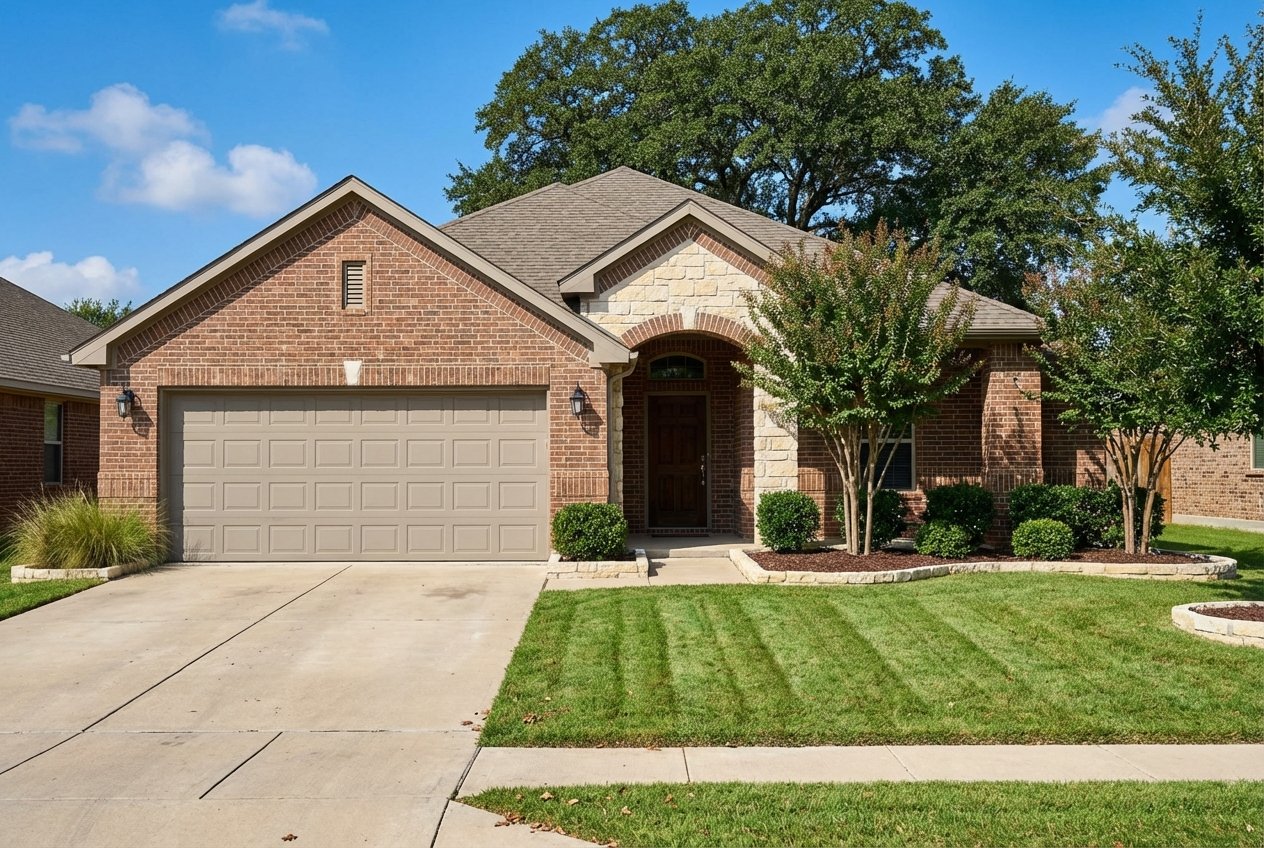
Frisco Rental Market Guide for Small Property Investors
February 19, 2026
February 19, 2026
Looking at Frisco for your first or next rental? You’re in the right place. Frisco sits in one of the strongest growth corridors in North Texas, and the rent dynamics here can favor small, long-term investors who buy carefully and run the numbers well. In this guide, you’ll see what typical rents look like, which property types fit a small investor, how to budget key expenses like taxes and insurance, and the quick metrics to judge any deal. Let’s dive in.
Frisco’s steady growth is a major tailwind. The city reported about 234,424 residents in 2024 and continues to project multi-percent annual growth tied to new office and mixed-use projects, according to the Frisco Economic Development Corporation.
High-visibility anchors keep jobs and visitors close by. The Dallas Cowboys’ campus at The Star draws ongoing traffic and events that support local retail and services, as noted by Visit Frisco’s overview of Ford Center at The Star. The new PGA of America headquarters and campus adds another long-term employment and visitor magnet in the area, highlighted in golf.com’s coverage of the PGA move.
Location also helps. Frisco sits on major tollway corridors and within the wider North Dallas job cluster, which keeps commute times practical for many renters. Expect rent differences inside Frisco based on commute access and proximity to amenities.
City-level apartment asking rents in Frisco were in the mid-$1,700s to start 2026. RentCafe reported an average apartment rent of about $1,749 per month in January 2026. You can see the city’s current apartment trends on RentCafe’s Frisco page.
Single-family rentals often command a premium across D-FW. A late-2024 metro snapshot reported a single-family rental asking rent just over $2,300 compared with apartments near $1,500. That metro-level gap, covered by the Dallas Morning News, helps explain why detached homes can pencil differently for investors in North Texas suburbs. Review the context in the Dallas Morning News report.
What it means for you:
Each option has a different entry price, operating profile, and tenant demand pattern.
Budget realistically. Small changes in property taxes or insurance can swing your returns.
Texas leans on property taxes. In Frisco, the total rate you pay depends on the specific taxing entities tied to your parcel. City, county, college, and school district components combine into your total effective rate. Many Frisco locations fall in the approximate 1.1 to 1.9 percent range of assessed value, depending on local entities and exemptions. Non-homestead investor properties do not receive homestead exemptions. Use the City of Frisco’s adopted rates and your parcel’s entities to estimate your bill. Start with the City of Frisco property tax rate page.
Texas homeowners insurance premiums are regionally elevated because of hail and wind exposure. In Frisco, annual premiums often land in the low-to-mid thousands, and wind or hail deductibles are commonly a percentage of dwelling coverage. Shop multiple carriers and weigh higher deductibles against reserve planning. For local context and savings ideas, review this Frisco homeowners insurance guide.
Full-service SFR management typically runs about 8 to 12 percent of monthly rent, plus leasing fees equal to roughly 50 to 100 percent of one month’s rent, and a renewal fee when a lease extends. Flat-fee models exist. Compare scopes and consider vacancy risk, leasing speed, and maintenance workflows. See a helpful fee overview from LeaseRunner.
Assume a $600,000 non-homestead SFR and a potential rent around $2,300 per month, which aligns with the D-FW SFR premium discussed above. That is $27,600 in gross annual rent. If you apply 7 percent vacancy, net potential rent is about $25,668. If the composite tax rate is 1.675 percent, property taxes would be about $10,053 per year on $600,000. Insurance could range from roughly $1,500 to $3,000 per year, management about 10 percent of collected rent, and maintenance 5 to 10 percent of gross rent. The bottom line: in Texas, taxes and insurance are your swing factors, so verify the parcel’s taxing entities and get real quotes early.
Use a consistent set of metrics to compare options.
Tip: In high-growth suburbs, returns often shift toward long-term appreciation with moderate cash flow. Let your strategy drive the product type you pick.
Before you make an offer, confirm these items.
Most long-term residential leases run about 12 months, with some 6 to 12 month alternatives and month-to-month renewals after the initial term. Align your term with turnover expectations and seasonality in your submarket.
Texas landlord-tenant law sets important timelines and obligations, including repair duties and security deposit accounting within 30 days after move-out once the tenant provides a forwarding address. Texas does not have local rent control. Read the relevant sections in Texas Property Code Chapter 92, and build those requirements into your lease and move-out process.
D-FW delivered a large wave of apartments through 2024 and into 2025. That put downward pressure on advertised multifamily rents in many submarkets and led to more concessions. If you are weighing a condo or attached rental against a detached SFR, compare the local pipeline and concession trends in your part of Frisco. For metro-level context on recent deliveries and market commentary, see the Yardi Matrix research archive.
An agent who works with both investors and property managers can help you protect your downside and speed your decisions by:
If you want a simple, numbers-first path to a Frisco rental, start with clear rent comps by property type, verify the parcel’s tax rate, and get an insurance quote early. Then build a conservative pro forma and stress test vacancy, taxes, and repairs. When you are ready for a neighborhood-by-neighborhood plan and on-the-ground support, connect with Allen Martinez to schedule a consultation.
Stay up to date on the latest real estate trends.


I am committed to guiding you every step of the way—whether you're buying a home, selling a property, or securing a mortgage. Whatever your needs, I've got you covered.

2626 COLE AVE STE 300 DALLAS, TX 75204