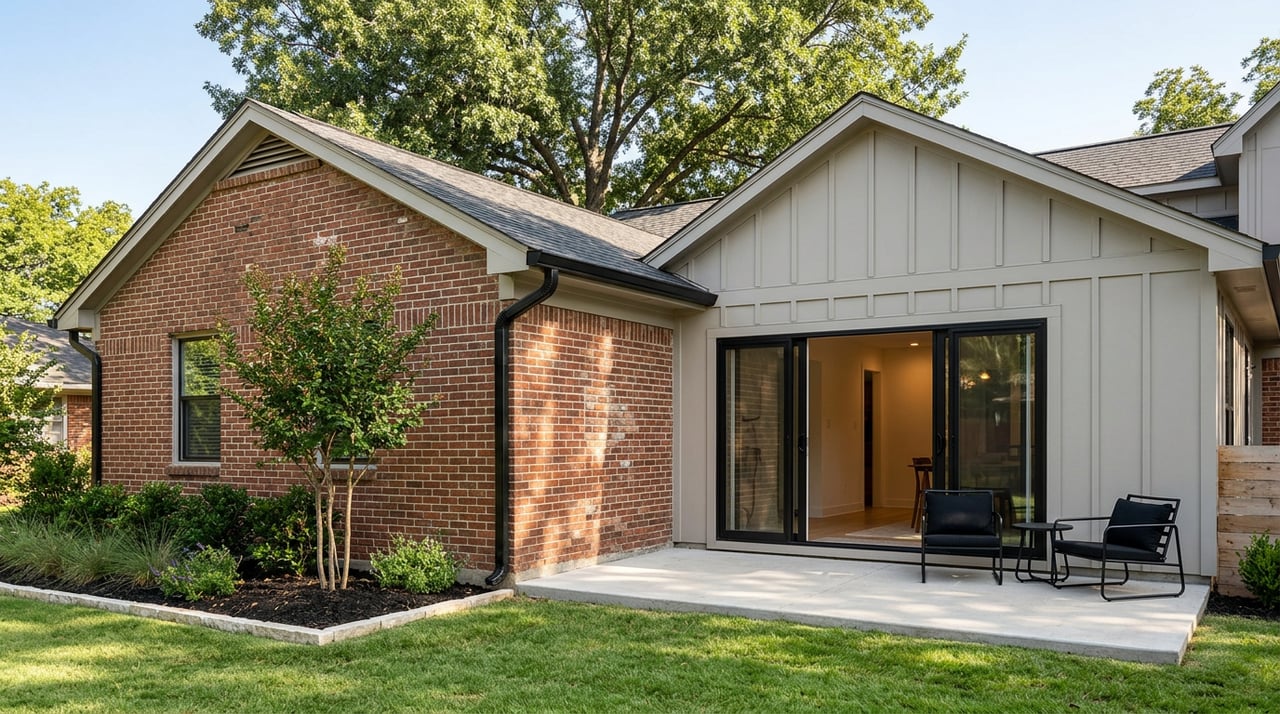
Lakewood Remodel Or Rebuild: Weighing Your Options
March 19, 2026
March 19, 2026
Should you give your Lakewood home a thoughtful remodel or start fresh with a new build? It is a big decision with real money, time and lifestyle at stake. You want to protect your equity, respect neighborhood character and end up with a home that fits how you live. In this guide, you will learn how to weigh costs, permits, financing, site constraints and resale in Lakewood so you can move forward with confidence. Let’s dive in.
Lakewood sits near White Rock Lake with many homes built in the early to mid‑1900s. You see Tudors, Craftsman bungalows, Mediterranean styles and early ranch homes alongside newer custom builds. Recent market snapshots show a premium neighborhood, with a median sale price reported in the $1.4–$1.6 million range and an average price per square foot around $480–$490 in the past year. That premium reflects both the house and the land, including proximity to the lake and schools. Lakewood market snapshots can help you understand how buyers value location versus structure.
The takeaway: because lot value is high, a teardown and new construction can be financially viable on the right parcel. But many original homes also carry architectural character you may want to preserve. Your choice should follow the data, the site and your goals.
Nearly all structural work in Dallas needs permits. Simple interior remodels can be quick when plans are complete. Larger projects require plan review and approvals through the city’s online portal. Start by reviewing the City of Dallas Single‑Family Building Inspection guidance so you can factor fees and timing into your plan.
If your home is a City of Dallas landmark or sits in a historic district, exterior changes and demolition require a Certificate of Appropriateness and review. Also, some areas fall under a Demolition Delay Overlay for older structures, which places a 45‑day delay on demolition to explore preservation options. Check whether your property is affected using the city’s Demolition Delay Overlay page early in planning.
Dallas enforces tree‑removal and heritage‑tree rules that can apply when you remodel or demolish. Tree mitigation, permits and possible fees should be part of your budget. Review the city’s tree provisions in Sec. 51A‑10.131 so you understand how they affect your site plan and timeline.
Proximity to White Rock Lake means some lots touch creek buffers or mapped floodplain areas. This can change foundation choices, building height and insurance needs. Verify DFIRM/FEMA panels and local requirements through Dallas County’s floodplain resources before you finalize scope.
Most Lakewood homes predate 1978. Disturbing paint in pre‑1978 housing triggers the EPA’s Renovation, Repair and Painting (RRP) rules for paid contractors. Major gut work or demolition may also require asbestos inspection and abatement. Build testing, containment and abatement into your timeline and budget. The EPA’s consumer booklet explains the basics of lead‑safe renovation.
Every project is unique, but these broad ranges can help you frame the decision before you call contractors:
Remember to include soft costs and site extras that can add more than 10 percent to your total: demolition and debris, tree mitigation or replacement, soils and foundation remediation, utility upgrades, stormwater work, architectural and engineering fees, surveys, permit fees and temporary housing. Permit timing varies from days for simple work to many months for major remodels or new builds. Review the city’s single‑family permit steps and add a contingency for reviews or demolition delays.
If you want one loan that covers purchase and improvements, look into FHA 203(k) as well as conventional renovation products. FHA 203(k) has Standard and Limited versions with different limits and documentation. Some programs require approved lenders and consultants. Read FHA’s consumer guide to Section 203(k) and speak with a lender who regularly closes renovation loans.
Dallas Central Appraisal District (DCAD) receives permit and new‑construction data and will reappraise when major improvements or a rebuild change value. Expect a higher assessed value and property tax after significant work. DCAD explains how permit data informs inspections and reappraisal in its annual report. Plan for the tax impact as part of your carry costs.
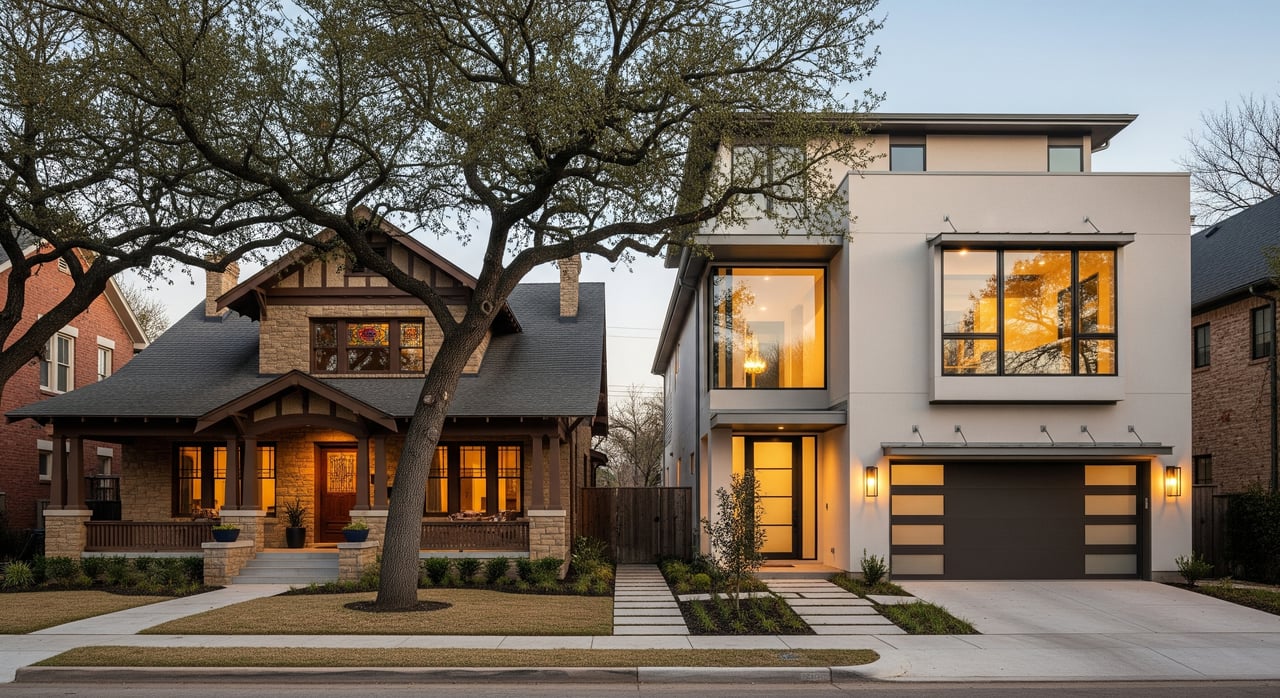
Lakewood buyers are split between two loves: the warmth of restored historic homes and the convenience and performance of creative new builds. Strong price‑per‑square‑foot trends point to buyer demand for both, with lot and location playing a major role. The right choice depends on the block, the scale, finish quality and how well the home fits neighborhood character. Keep massing and style in line with nearby homes and preserve or thoughtfully echo key architectural cues when you can. Use recent neighborhood sales data to compare price per square foot for updated originals versus recent new builds.
You love the exterior, and inspections show a stable foundation, newer roof and serviceable systems. A remodel that modernizes the kitchen and baths, improves insulation and respects original trim likely delivers strong livability and resale without the added demo and site costs.
The slab needs extensive remediation, systems are at end of life and the layout is hard to fix without gutting. If your remodel estimate edges toward local new‑build cost per square foot for similar finishes, a teardown and new build may be the clearer path to long‑term value.
Your lot’s floodplain buffer changes how high you can build and what foundation type you need. In this case, design to the site first. The added engineering and elevation needs can reset the cost balance between a deep remodel and a rebuild. Start with a floodplain check through Dallas County resources.
In Lakewood, the lot often carries as much value as the structure. That makes both high‑quality remodels and thoughtful new builds viable paths. The best choice comes from real numbers: local comps, verified site constraints, full‑scope cost estimates and financing and tax planning. When you line up these pieces, the right path usually becomes obvious.
If you want a Lakewood‑specific read on your address, connect with Allen Martinez to walk your property, review comps and map a plan that fits your goals and budget.
Stay up to date on the latest real estate trends.

I am committed to guiding you every step of the way—whether you're buying a home, selling a property, or securing a mortgage. Whatever your needs, I've got you covered.
2626 COLE AVE STE 300 DALLAS, TX 75204