Acreage Living In Parker TX: What To Expect
April 2, 2026
April 2, 2026
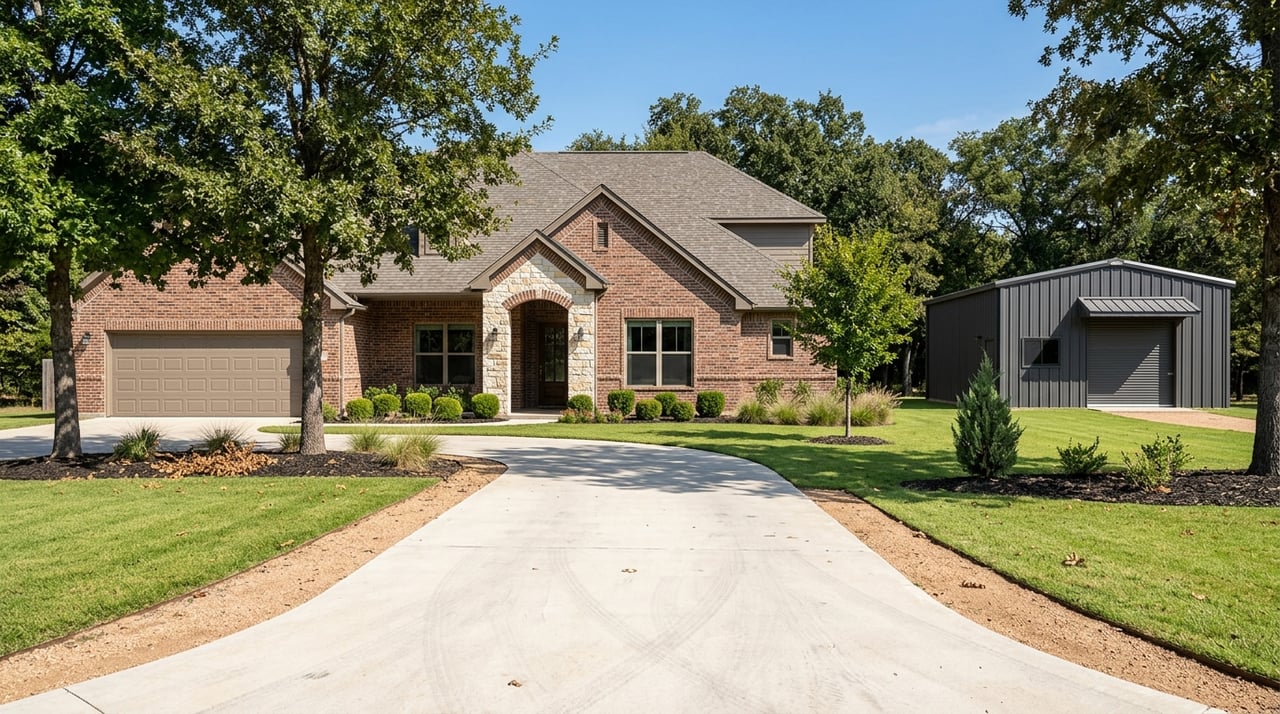
Dreaming about more space in Parker, TX? Acreage living can sound simple on the surface: more privacy, more room to spread out, and a little distance from the tighter feel of a typical subdivision. But in Parker, acreage life comes with its own rules, upkeep, and due diligence. If you are considering a larger homesite here, this guide will help you understand what day-to-day living often looks like, what to verify before you buy, and how to plan with fewer surprises. Let’s dive in.
Parker is a small city in Collin County near Plano, with an estimated 6,332 residents in 2024. It offers a rural-adjacent feel while still sitting close to the broader Dallas-Fort Worth growth corridor. According to U.S. Census QuickFacts, the city also has a 98.9% owner-occupied housing rate and a median owner-occupied home value of $859,600.
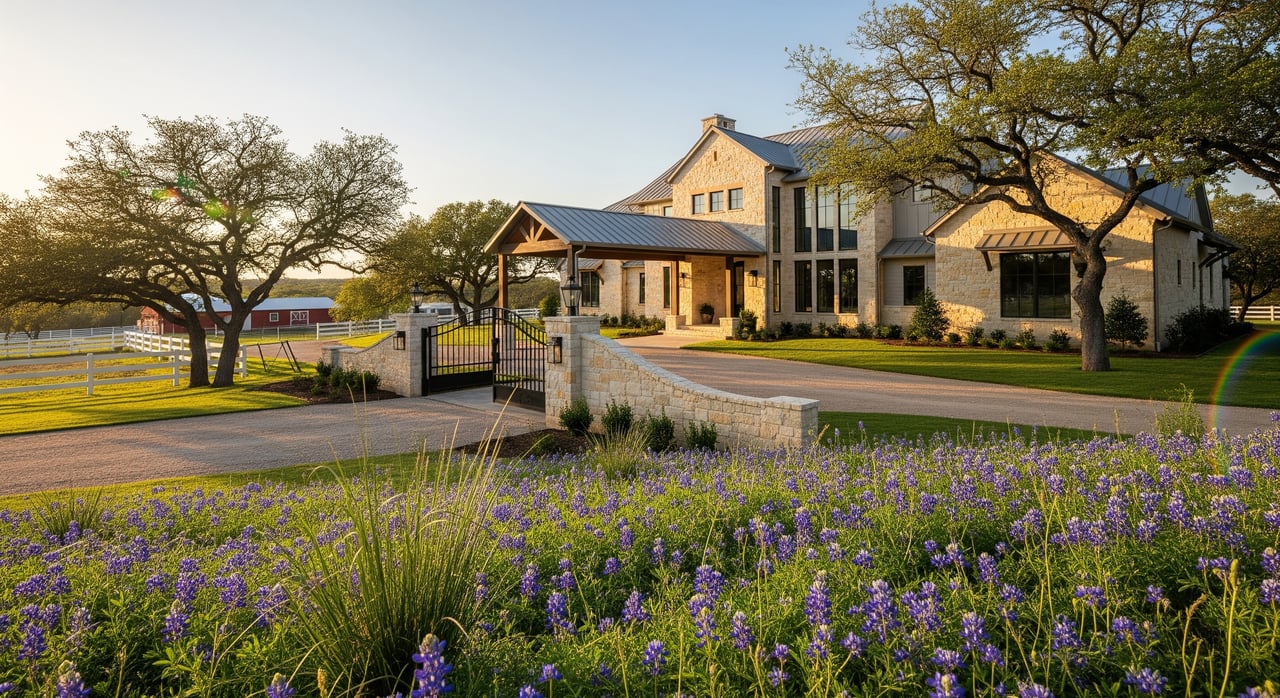
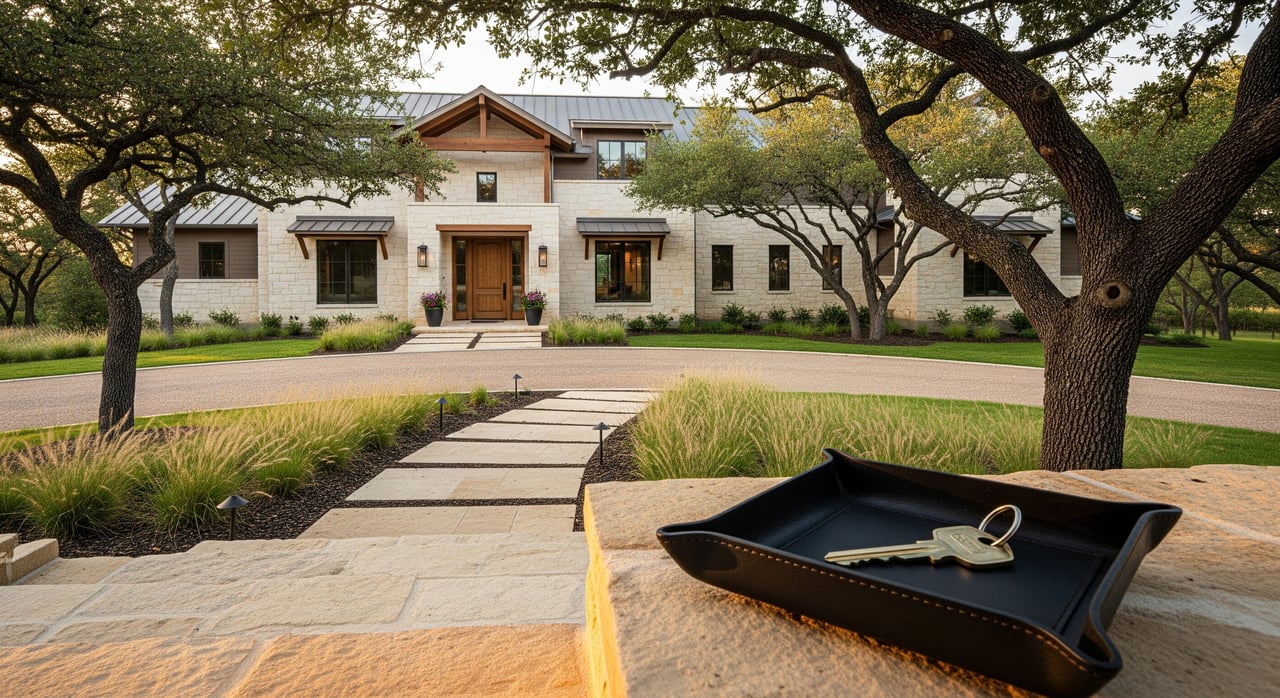
That setting is a big part of the draw. You can find larger lots and a more open feel than in many nearby suburban neighborhoods, while still remaining connected to Plano and surrounding North Texas communities. For many buyers, that balance is the main reason Parker stays on the shortlist.
In Parker, acreage living is not the same as buying unrestricted land in a rural county. The city’s single-family residential district has clear development standards, including a minimum lot size of 2.0 acres net, 200 feet of frontage, 300 feet of depth, and a 20% cap on above-ground lot coverage, based on the city code.
That means you may get meaningful separation between homes, but you are still buying within a regulated municipal setting. Your lot may offer room for outdoor living, accessory structures, and a different pace of life, yet site improvements still need to fit city rules.
Many buyers assume acreage automatically means total screening from neighbors. In Parker, privacy often comes more from lot size, tree cover, setbacks, and house placement than from tall solid fencing.
The city generally requires open-construction fencing in the single-family district, with limited exceptions on certain road frontages under the same zoning standards. So if your ideal setup depends on a fully enclosed visual barrier, it is smart to confirm fencing rules early.
If you want a workshop, shed, barn, pool, or irrigation system, Parker does have pathways for those improvements. The city’s permit page specifically lists permits for accessory or outbuildings, fences, pools, and sprinkler or irrigation work.
That is good news if you want a property that can support more than just the house itself. It also means you should plan for approvals, timelines, and compliance before assuming a future project will be easy to complete.
Acreage homes often come with routines that feel different from a smaller suburban lot. In Parker, those differences usually show up in utilities, irrigation, drainage, and general outdoor maintenance.
The city provides water and solid waste service to homes within city limits. But Parker notes that sewer service is available only to certain homes in the northeastern part of the city, while most other homes use septic systems.
This is one of the most important questions to ask before you write an offer. A larger lot on septic can work well, but it comes with different maintenance needs and future planning considerations than a home connected to city sewer.
If the home uses septic, the Texas Commission on Environmental Quality says a permit and approved plan are required to construct, alter, repair, extend, or operate an on-site sewage facility. For you as a buyer, that means septic inspection, system age, maintenance history, and likely repair costs should all be part of your due diligence.
Parker sits in the Blackland Prairie, and the city notes that much of its preserve lies in the flood plain of Maxwell Creek. The preserve area also reflects local soil conditions, including Houston clay. As the city explains on its City Park page, these land conditions are part of the local landscape.
Clay-heavy soils can hold too much water and limit airflow in the soil. On an acreage property, that can affect drainage, grading, landscaping choices, and how certain parts of the lot perform after rain. When you walk a property, the house matters, but the land itself deserves just as much attention.
The more land you have, the more likely you are to think about irrigation. Parker’s water conservation page says the city follows NTMWD and TCEQ guidance, including a rule that prohibits outdoor watering from 10:00 a.m. to 6:00 p.m. from May 1 through October 31.
The same city guidance allows foundations and landscaping to be watered for up to two hours a day with a hand-held hose or soaker hose. Residents can also use no-cost water usage portals to monitor consumption. For acreage owners, that can be especially useful for spotting leaks or overwatering before they become expensive problems.
Acreage living often brings a little more interaction with the natural environment. Parker’s preserve includes birds, bobcats, coyotes, raccoons, skunks, armadillos, and other wildlife, according to the city’s park information.
That does not mean wildlife issues are constant, but it does mean outdoor awareness matters. Pet supervision, fencing plans, and how you store feed, trash, or outdoor supplies may require more thought than they would on a smaller in-town lot.
Acreage purchases usually need more front-end verification than standard suburban homes. In Parker, the smartest buyers treat the land, improvements, and city rules as one package.
Here are the main items to confirm early:
The Collin CAD property search is a useful starting point when you want to screen acreage homes by address, owner, or parcel details. But the district also warns that legal descriptions and acreage amounts are for appraisal-district use only and should be verified before being used in legal documents.
In practical terms, CAD is great for initial research, but it is not a substitute for a survey or title review. If acreage size is important to your decision, confirm it through the proper documents.
Parker’s Planning and Zoning Department handles zoning, site plans, landscape plans, plats, and specific use permits. That matters because the parcel’s zoning and plat status can affect what you can build, what you can add later, and whether certain uses require additional approvals.
For example, Parker allows single-family homes, accessory buildings, and home occupations in the single-family district. But accessory dwellings, boarding, and activities involving large animals require a special use permit under the city code.
Acreage does not automatically mean agricultural tax treatment. The Texas Comptroller says agricultural appraisal is based on productivity value rather than market value, and rollback taxes may apply if land changes to a non-agricultural use.
That is why you should not assume a lower tax treatment transfers just because a property has several acres. The actual use of the land and county rules are what matter. The same Comptroller guidance also notes that a homestead can include up to 20 acres used for residential purposes, which is another reason to review your situation carefully during the buying process.
Parker can be a strong fit if you want more breathing room, a more open residential setting, and the flexibility that comes with a larger homesite. It can also be a smart option if you value privacy through distance and layout rather than through dense fencing or close-in suburban design.
At the same time, acreage living here works best when you go in with clear expectations. Utility type, land conditions, permitting, zoning, and maintenance all shape the ownership experience. If you understand those pieces upfront, you can buy with much more confidence.
If you are comparing acreage homes in Parker or want help sorting through surveys, zoning questions, and property-level details, working with a local advisor can save you time and reduce costly guesswork. When you are ready to talk through your options, connect with Allen Martinez for practical, responsive guidance tailored to your move.
Stay up to date on the latest real estate trends.
I am committed to guiding you every step of the way—whether you're buying a home, selling a property, or securing a mortgage. Whatever your needs, I've got you covered.
2626 COLE AVE STE 300 DALLAS, TX 75204